New Puppy Checklist for India: What to Buy Before Day One (and What Can Wait)
A new puppy does not need a room full of gear on the first day. Start with bowls, the food they already eat, a safe place to rest, a lead and ID, a few suitable toys and a way to clean accidents. The details below are a checklist for bringing a puppy into an Indian home, including a flat; your vet can tailor the care advice to the puppy in front of you.
The day-one list: buy these before the puppy comes home
Get the basics ready before pickup day. Also call a nearby veterinary clinic to arrange an early check-up; bring any vaccination, deworming or adoption papers you were given. The exact timing and follow-up schedule should come from the vet.
Food and water bowls
Get two bowls: one for water and one for food. Stainless steel is easy to scrub and does not crack as readily as some plastic bowls. Plastic is light, but check it often for chew marks and replace it if it becomes damaged. PetMD suggests that for puppies “you’ll likely want a shallow one with a nonslip base”.
What to check:
- Size. Think about the adult dog. A Labrador puppy will need a much bigger bowl in six months than an Indie or a Shih Tzu.
- Base. A rubber ring or a weighted base stops the bowl from sliding across a tiled floor.
- Dishwasher or scrub-safe. Steel usually is. Check the listing for plastic.
The same food the puppy already eats
Ask the breeder, shelter or foster carer exactly what food the puppy is eating, and buy a small pack of that same food. A new home is stressful enough, and a sudden change of food can upset a puppy’s stomach. If you want to change the food, do it slowly and only after asking your vet. Meal frequency depends on age, size and the food. Follow the food label and ask your vet to set a routine; do not assume cow’s milk is a suitable substitute for puppy food.
Dry food goes stale and attracts ants once a bag is open, especially in humid weather. Tip it into airtight containers for storing dry food and keep the scoop inside.
A bed, crate or playpen corner
A puppy needs one quiet spot that is always theirs. That can be a washable bed in a corner, a crate with the door left open, or a small playpen. Supertails suggests keeping the bed or crate in your bedroom for the first few nights, so the puppy can hear you.
What to check:
- Washable cover. Accidents will happen. A removable, machine-washable cover saves a lot of work.
- Size for now and later. A crate should let the puppy stand up and turn around. Some crates come with a divider, so you can make the space bigger as the puppy grows.
- Cool in summer. A thick, foam-heavy bed can get hot in an Indian summer. A thinner mat on a cool floor may suit better from March to June.
Collar or harness, plus a lead and an ID tag
A properly fitted collar or harness and a sturdy lead are needed for early training, and later for walks. PetMD notes you “may consider a dog harness to reduce pressure on your puppy’s throat”. Many owners use both: a light collar for the ID tag and a harness for the lead.
What to check:
- Measure the puppy. Measure the neck and the widest part of the chest with a soft tape, then compare with the size chart on the listing. Do not guess from the breed name.
- Two-finger fit. You should be able to slide two fingers under the collar or strap.
- Adjustable straps. Puppies grow fast. Adjustable straps mean you will not need a new one every month.
- ID tag. Put your phone number on it. Some cities and housing societies also ask for registration, so check your local rules.
- Reflective strip. Useful for early-morning and evening walks on dim lanes.
Chew and tug toys
Puppies chew, especially while teething. Giving them their own toys protects your chappals and charger cables. Start with two or three: a rope toy, a rubber chew toy and something soft for cuddling.
What to check:
- Size. The toy should be too big to swallow.
- Material. Look for a stated material and avoid toys with small parts that can come off.
- Supervise play, and throw a toy away once it starts to fray or break into pieces.
Cleaning kit: pads, enzyme cleaner and poop bags
House training takes weeks. Have these ready:
- Pee pads or newspaper for a fixed toilet spot. Supertails suggests taking the puppy straight to the toilet spot (garden, balcony or puppy pad) as soon as you arrive home.
- An enzyme cleaner. PetMD lists an enzymatic cleaner among the essential supplies. Ordinary floor cleaner removes the mess you can see, but the smell that stays behind can draw the puppy back to the same spot.
- Poop bags for walks and for the building compound.
What can wait until week two
You do not need to buy everything at once. These can wait until you know the puppy’s size, coat and habits:
- Grooming brush. The right brush depends on the coat. A short-coated Indie needs much less than a long-coated breed. Ask the vet or groomer what suits.
- Nail clippers. Many first-time owners let the vet or groomer trim nails at first.
- Travel carrier. Only needed if you travel by car, train or auto with a small puppy.
- Training treats. Small, soft treats help with training. Check with the vet that they suit a puppy’s diet.
- A second bed for another room.
- Flea and tick protection. PetMD says most puppies can start flea and tick products at 8 weeks old and at a minimum weight of about 2 to 4 pounds (roughly 1 to 2 kg). Ask your vet which product and when.
How to puppy-proof an Indian flat
Get down to puppy height and look around. Anything a puppy can reach, it will try to chew.
Wires and chargers
Phone chargers, laptop leads and the power strip behind the TV are at exactly the right height for a puppy. Unplug what you are not using, and keep loose cables up and out of reach. Clips along the back of a desk or a tray under it get most cables off the floor. If a cable has been chewed, unplug it and replace it.
Balcony grilles, gaps and plants
Check the balcony grille for gaps a small puppy could squeeze through, and do not leave a puppy alone on a balcony. If the gaps are wide, a mesh or net panel tied along the bottom of the grille helps.
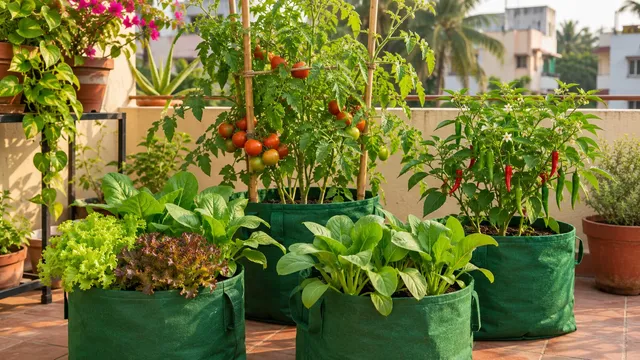
Plants are the other risk. If you have a balcony garden, check each plant. The ASPCA’s list of plants toxic to dogs includes aloe and golden pothos. Plant names can vary between shops and regions, and the ASPCA says its list is not complete. Keep unfamiliar plants out of reach until you have checked them with your vet; if your puppy eats a plant, call the vet for advice.
Also check the floor for anything a puppy could swallow: hair ties, coins, medicine strips, cotton buds and children’s small toys.
Lifts, stairs, society rules and street dogs
This is where flat life is different, and most foreign checklists skip it.
- Before vaccinations are complete, ask your vet where your puppy can safely go. Until then, avoid letting them wander in shared areas used by unknown dogs.
- Lifts. Hold the puppy or keep them on a short lead in the lift. Some neighbours are nervous around dogs, so let them take the lift first if they prefer.
- Stairs. Long flights are hard work for a small puppy. Carry them until they are bigger.
- Society rules. Many housing societies have rules about pets in common areas, lifts and gardens. Read yours, or ask the secretary, before the puppy arrives. It avoids arguments later.
- Street dogs. If your lane has free-roaming dogs, ask your vet how to handle introductions and when walks are appropriate. Keep the puppy close in shared spaces.
The first vet visit: what to ask
The vet decides on vaccines, deworming and diet. Your job is to arrive with the right questions. Take any papers from the breeder or shelter, and write down the answers.
- Which vaccines does my puppy need, and on what dates?
- When is the next deworming due?
- What food, and how much, should I give at this age? How many meals a day?
- When can my puppy go outside for walks, and when can they meet other dogs?
- Which flea and tick product is right, and from when?
- Is there anything about this breed (or this Indie mix) I should watch for?
- When should I come back next?
PetMD describes regular puppy check-ups during the early vaccination period; the interval depends on the schedule your vet sets. Ask for the next appointment date before you leave.
Printable puppy checklist
| Item | When to buy | What to check before buying |
|---|---|---|
| Water bowl | Before day one | Steel or plastic, size for the adult dog, non-slip base |
| Food bowl | Before day one | Shallow, non-slip, easy to scrub |
| Current food (small pack) | Before day one | The same brand and type the puppy eats now |
| Airtight food container | Before day one | Fits the bag size, closes tightly |
| Bed, crate or playpen | Before day one | Washable cover, room to stand and turn, cool enough for summer |
| Collar or harness | Before day one | Measure neck and chest, adjustable, two-finger fit |
| Lead | Before day one | Sturdy clip, comfortable handle |
| ID tag | Before day one | Your phone number, clear engraving |
| Chew and tug toys (2 or 3) | Before day one | Too big to swallow, no small loose parts |
| Pee pads or newspaper | Before day one | Enough for two weeks |
| Enzyme cleaner | Before day one | Says it is for pet stains or smells |
| Poop bags | Before day one | Fits your pocket or a holder on the lead |
| Grooming brush | Week two | Suits the coat type (ask the vet or groomer) |
| Nail clippers | Week two | Made for dogs; or let the vet trim at first |
| Training treats | Week two | Small and soft; ask the vet if they suit a puppy |
| Travel carrier | Week two, if needed | Ventilation, size, secure door |
| Flea and tick protection | When the vet says | Product and age advised by your vet |
Frequently asked questions
What should I buy first for a new puppy in India?
Buy food and water bowls, the food the puppy already eats, a bed or crate, a collar or harness with a lead and ID tag, two or three chew toys, and a cleaning kit with pee pads, an enzyme cleaner and poop bags. The rest can wait a week or two.
Are steel bowls better than plastic for puppies?
Steel is easier to clean and hard to chew, so many owners prefer it. Plastic is cheaper and lighter, but a teething puppy can chew it and scratched plastic is harder to keep clean. Whichever you choose, pick a non-slip base.
Harness or collar for a puppy?
Many owners use both: a light collar to carry the ID tag, and a harness for the lead, which takes pressure off the throat. Measure the puppy and check the size chart, and make sure two fingers fit under the strap.
When can my puppy go outside for walks?
Ask your vet. It depends on the puppy’s age and vaccination schedule. Until the vet says it is safe, carry the puppy through common areas and keep play at home.
How much does a puppy cost in the first month in India?
It varies a lot with the breed, the city, the vet’s fees and what you already have at home. Add up the day-one list, the first vet visits and vaccines, and food for a month. Ask your vet for their fees before the first visit, so there are no surprises.
Where to go next
More in Home and garden
- Home and garden
What Size Grow Bag Do Tomatoes, Peppers and Lettuce Need?
Choose a grow bag for a patio vegetable garden using US gallons, sunlight and potting mix volume. Includes a worked shopping list for two peppers.
- Home and garden
How Much Soil Does a 4 × 8 Raised Bed Need?
Work out how many cubic feet, cubic yards or bags to buy for a 4 × 8 raised bed. Compare three fill depths and account for soil you already have.
- Home and garden
How to Make Compost at Home in India (Even in a Flat): The Simple Bucket Method
Turn kitchen waste into compost in a flat: the wet-to-dry mix, a simple bucket method, fixes for smell and flies, and when it's ready to use.